Aviation Week and Space Technology
In Partnership With
Boeing

 NOVEMBER 25, 1991
P. 36, 37
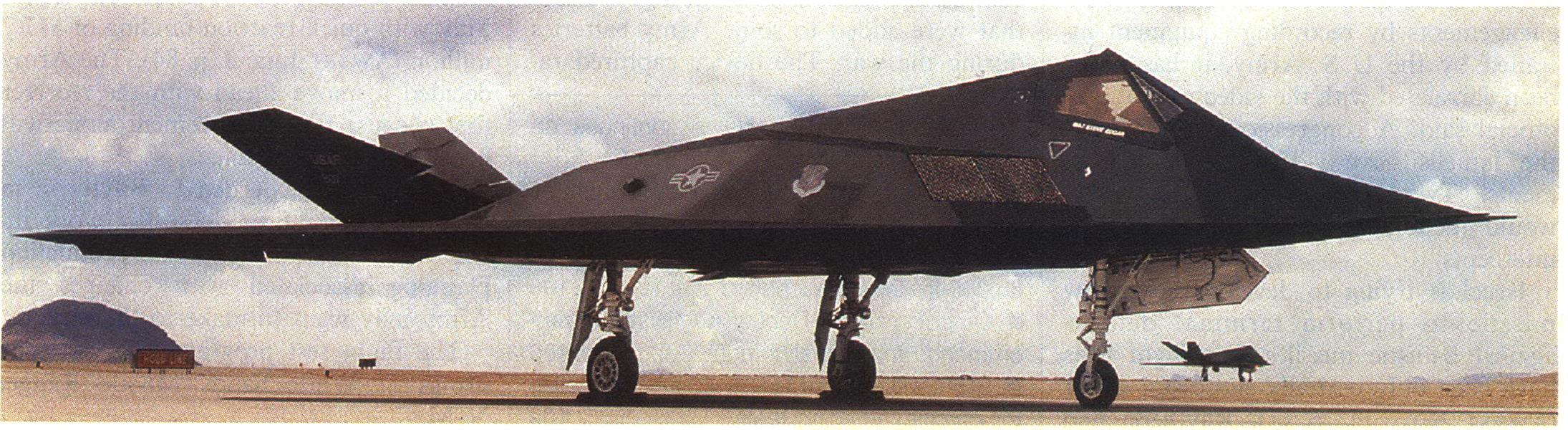
Bill has no funds for restarting Lockheed’s F-117A line (bottom).
NOVEMBER 25, 1991
P. 36, 37
Bill has no funds for restarting Lockheed’s F-117A line (bottom).
 APRIL 9, 1990
P. 19, 20
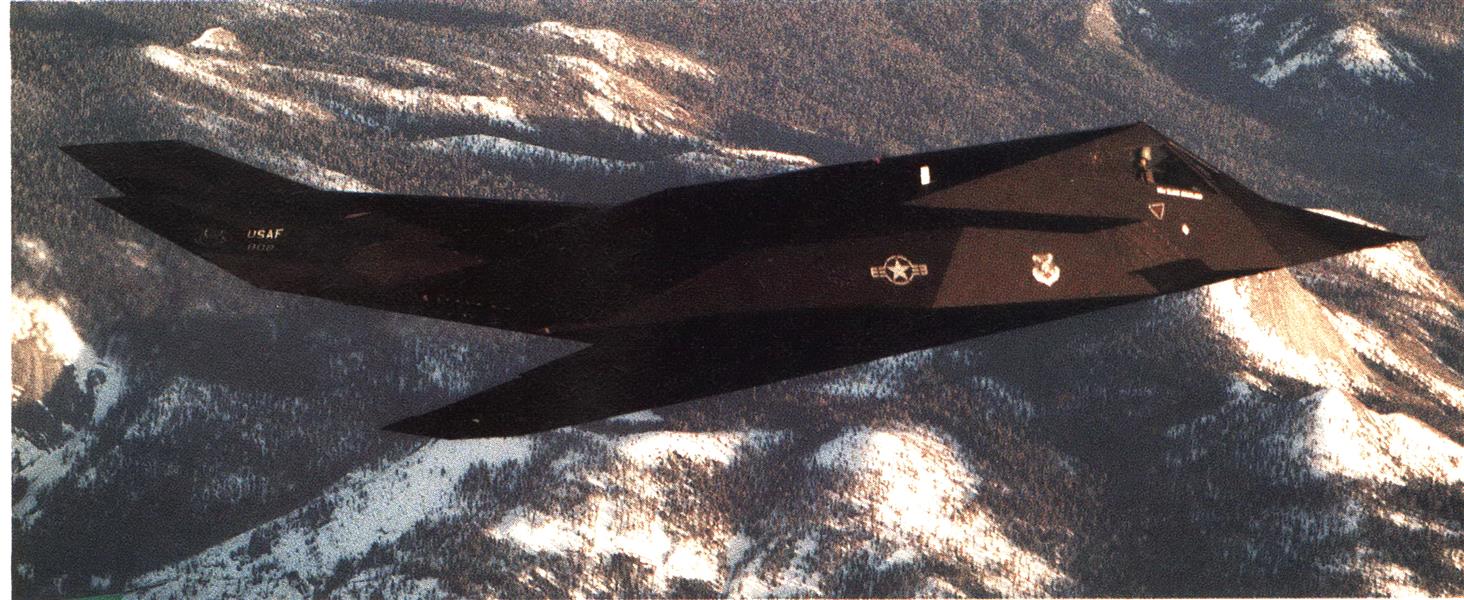
Air Force/Lockheed F-117A stealth attack aircraft is made up almost entirely of flat panels angled so that radar energy will be deflected up or
APRIL 9, 1990
P. 19, 20
Air Force/Lockheed F-117A stealth attack aircraft is made up almost entirely of flat panels angled so that radar energy will be deflected up or
 JULY 10, 1989
P. 22
JULY 10, 1989
P. 22
 APRIL 9, 1990
P. 36 (4 Pages)
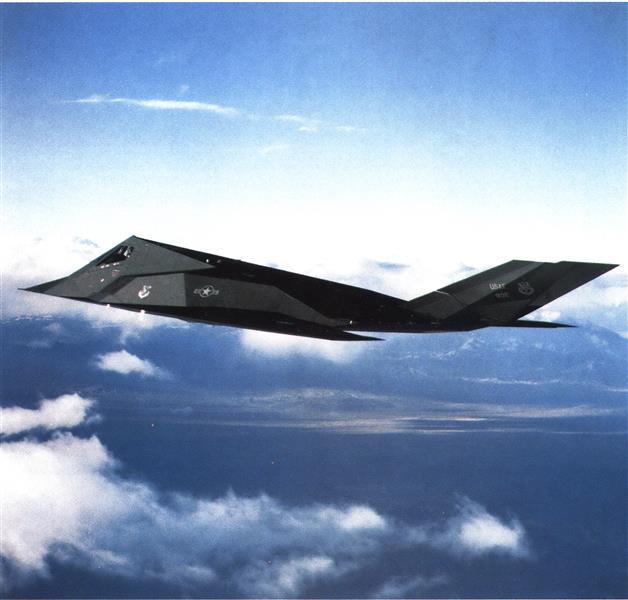
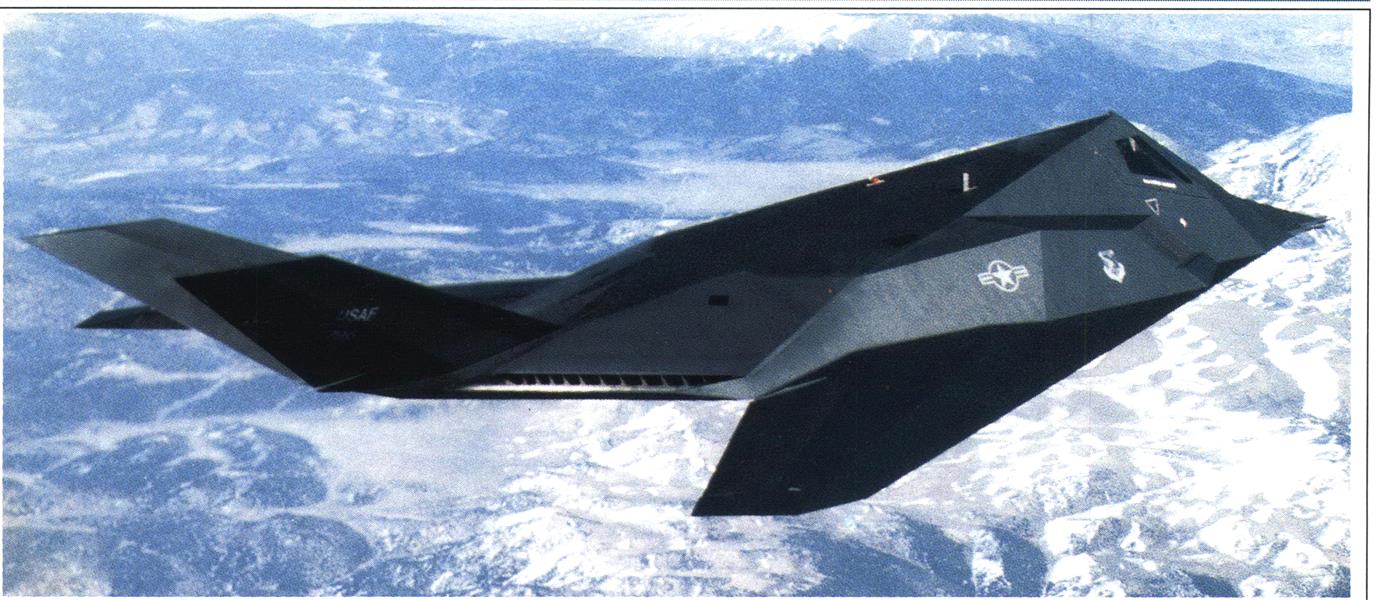
F-117A development began in 1978. Two of the 59 aircraft under contract remain to be delivered this year. All are single-seat aircraft. Three F117As have been lost in crashes, but the Air Force considers the aircraft’s safety record to be “superior.”
APRIL 9, 1990
P. 36 (4 Pages)
F-117A development began in 1978. Two of the 59 aircraft under contract remain to be delivered this year. All are single-seat aircraft. Three F117As have been lost in crashes, but the Air Force considers the aircraft’s safety record to be “superior.”
 APRIL 9, 1990
P. 36 (4 Pages)
Lockheed’s contract includes warranties covering the aircraft’s range, weapon system accuracy and radar cross section. The company upgrades in-service aircraft at a depot facility established at Air Force Plant 42 in Palmdale, Calif.
APRIL 9, 1990
P. 36 (4 Pages)
Lockheed’s contract includes warranties covering the aircraft’s range, weapon system accuracy and radar cross section. The company upgrades in-service aircraft at a depot facility established at Air Force Plant 42 in Palmdale, Calif.
 SEPTEMBER 25, 1989
P. 20
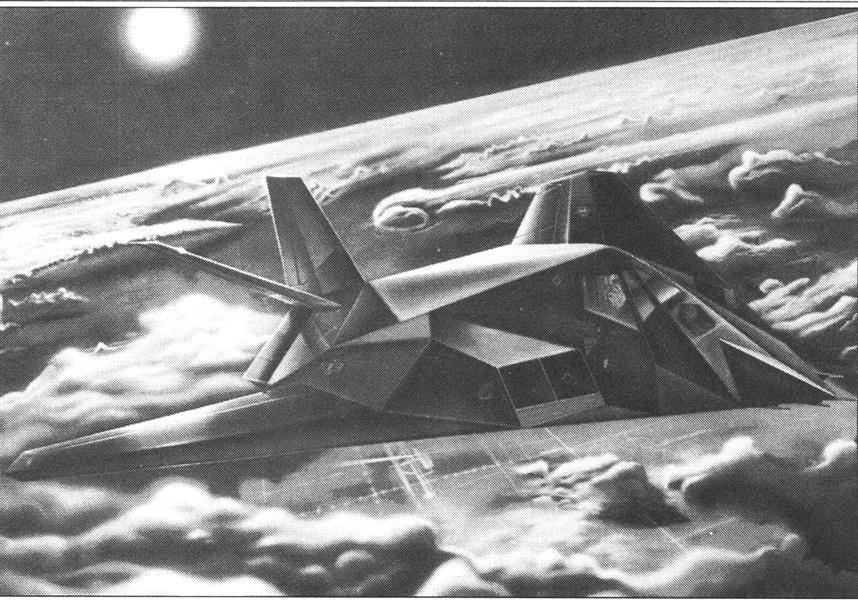
Air Force F-117A is shown in flight in this recently released artist’s rendering of the stealth attack aircraft. Lockheed had delivered 52 F-117AS as of the end of last year from an order for 59 aircraft. The F-117A is believed to be equipped with downward- and forward-looking infrared.
SEPTEMBER 25, 1989
P. 20
Air Force F-117A is shown in flight in this recently released artist’s rendering of the stealth attack aircraft. Lockheed had delivered 52 F-117AS as of the end of last year from an order for 59 aircraft. The F-117A is believed to be equipped with downward- and forward-looking infrared.
 APRIL 9, 1990
P. 36 (4 Pages)
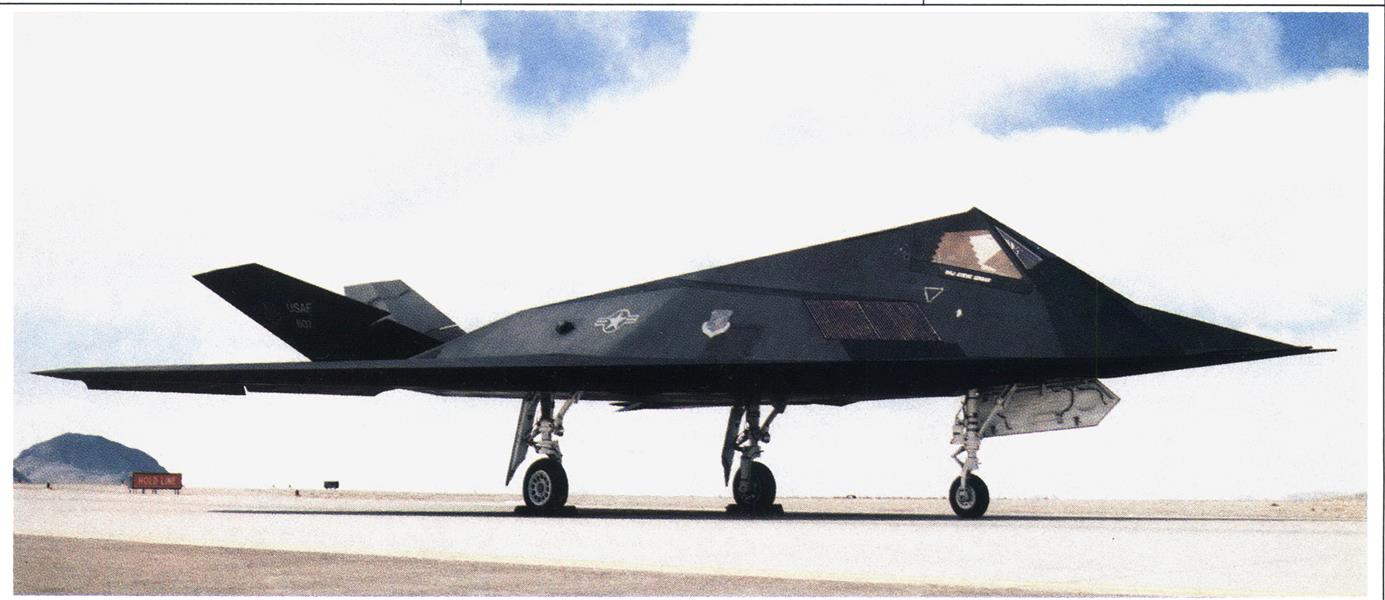
F-117A maintenance is slightly more expensive than that of an F-15, according to the Air Force. Much of its equipment is off the shelf or minimally adapted from other programs. Separate hangars at Nellis AFB, Nev., make it easier to maintain the aircraft’s low-observables features.
APRIL 9, 1990
P. 36 (4 Pages)
F-117A maintenance is slightly more expensive than that of an F-15, according to the Air Force. Much of its equipment is off the shelf or minimally adapted from other programs. Separate hangars at Nellis AFB, Nev., make it easier to maintain the aircraft’s low-observables features.
 APRIL 9, 1990
P. 36 (4 Pages)
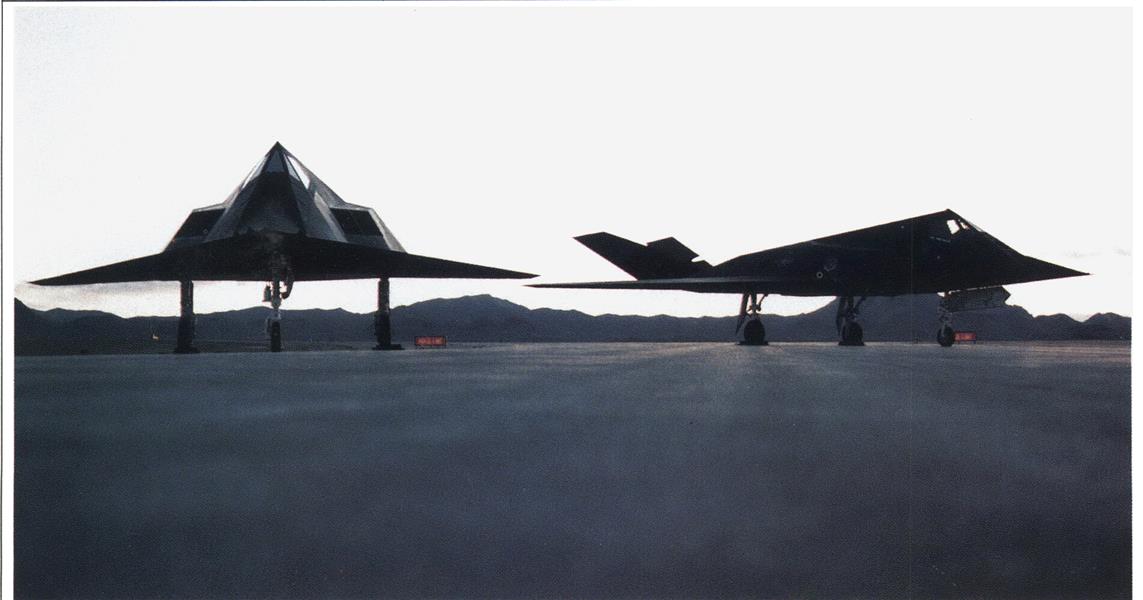
The 59-aircraft F-117A program has cost more than $6.5 billion, according to the Pentagon. Development cost nearly $2 billion, production $4.3 billion and facilities $295.3 million. These costs are in “then-year” dollars—as paid out since 1978—and would be higher if restated in current dollars.
APRIL 9, 1990
P. 36 (4 Pages)
The 59-aircraft F-117A program has cost more than $6.5 billion, according to the Pentagon. Development cost nearly $2 billion, production $4.3 billion and facilities $295.3 million. These costs are in “then-year” dollars—as paid out since 1978—and would be higher if restated in current dollars.
 APRIL 9, 1990
P. 36 (4 Pages)
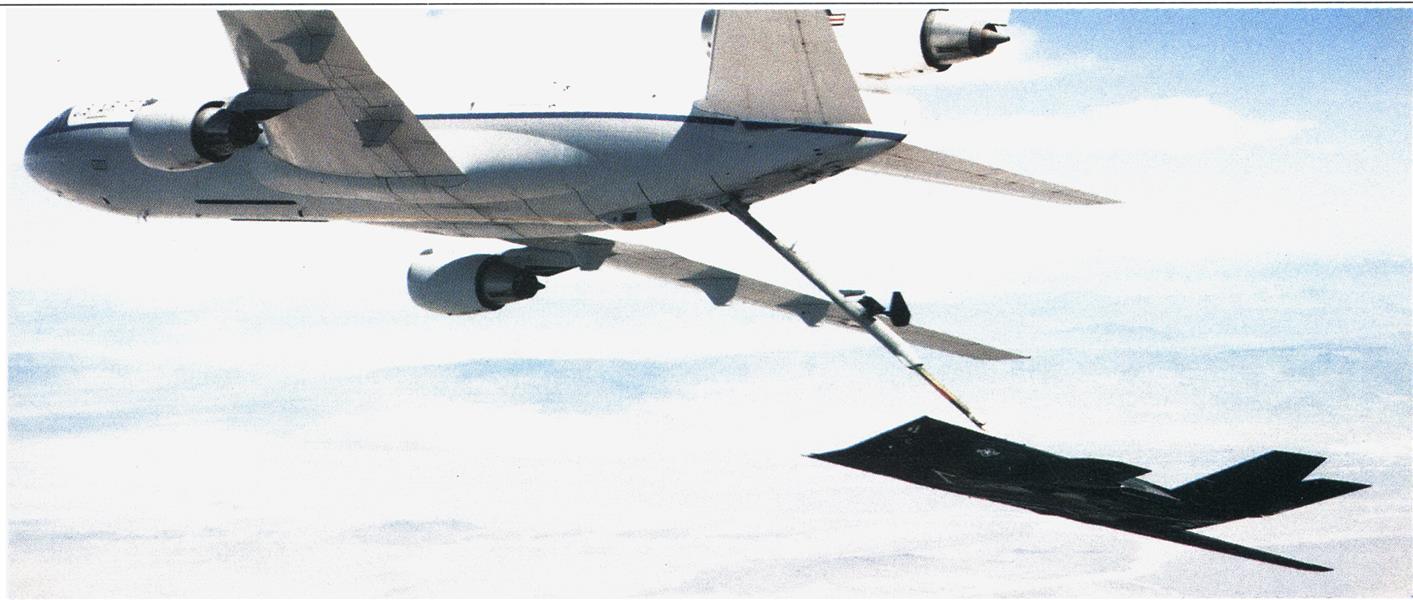
F-117A refueling receptacle pops up from behind the canopy. The small bump atop the canopy houses an aft-facing light for nighttime refueling. Note how the extended, upswept bottom exhaust surface prevents a direct view of the exhaust at this shallow angle.
APRIL 9, 1990
P. 36 (4 Pages)
F-117A refueling receptacle pops up from behind the canopy. The small bump atop the canopy houses an aft-facing light for nighttime refueling. Note how the extended, upswept bottom exhaust surface prevents a direct view of the exhaust at this shallow angle.
 APRIL 9, 1990
P. 36 (4 Pages)
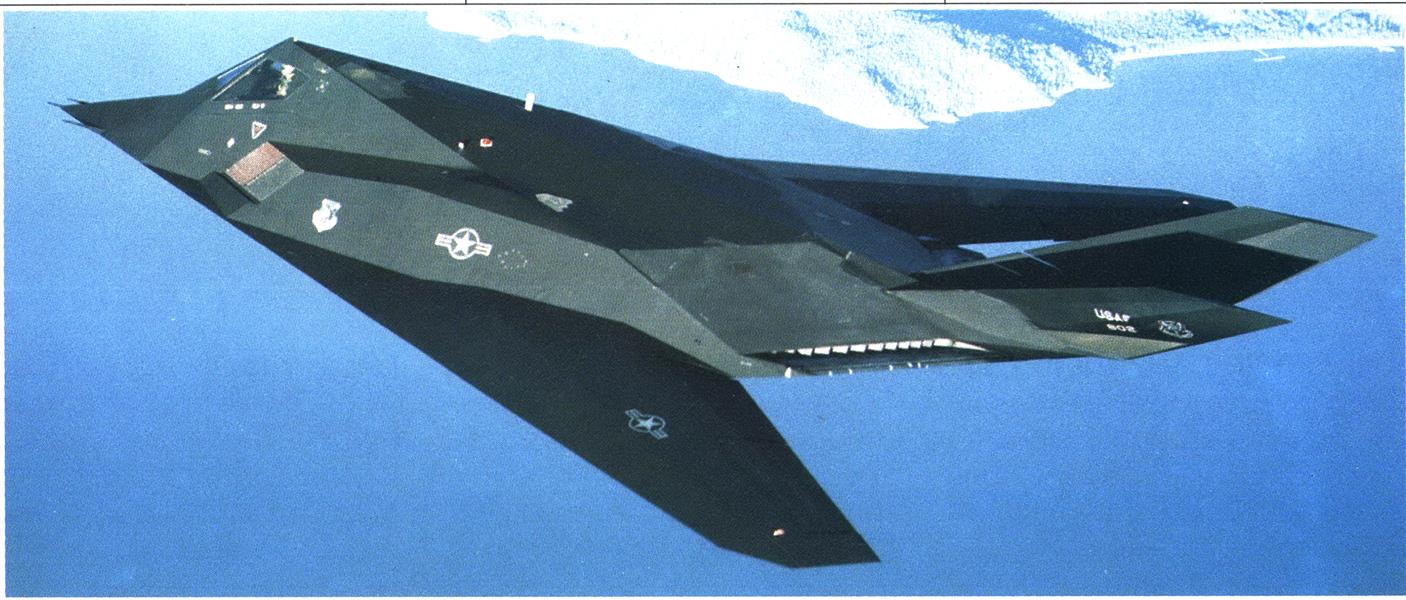
Gridded engine inlet and wide, thin exhaust with vanes lower the engine radar signature. The engine inlet and top of the fuselage are aligned with the wing leading edge to focus radar reflections into one narrow beam, Retractable antenna is atop the fuselage.
APRIL 9, 1990
P. 36 (4 Pages)
Gridded engine inlet and wide, thin exhaust with vanes lower the engine radar signature. The engine inlet and top of the fuselage are aligned with the wing leading edge to focus radar reflections into one narrow beam, Retractable antenna is atop the fuselage.
 MAY 1, 1989
P. 27
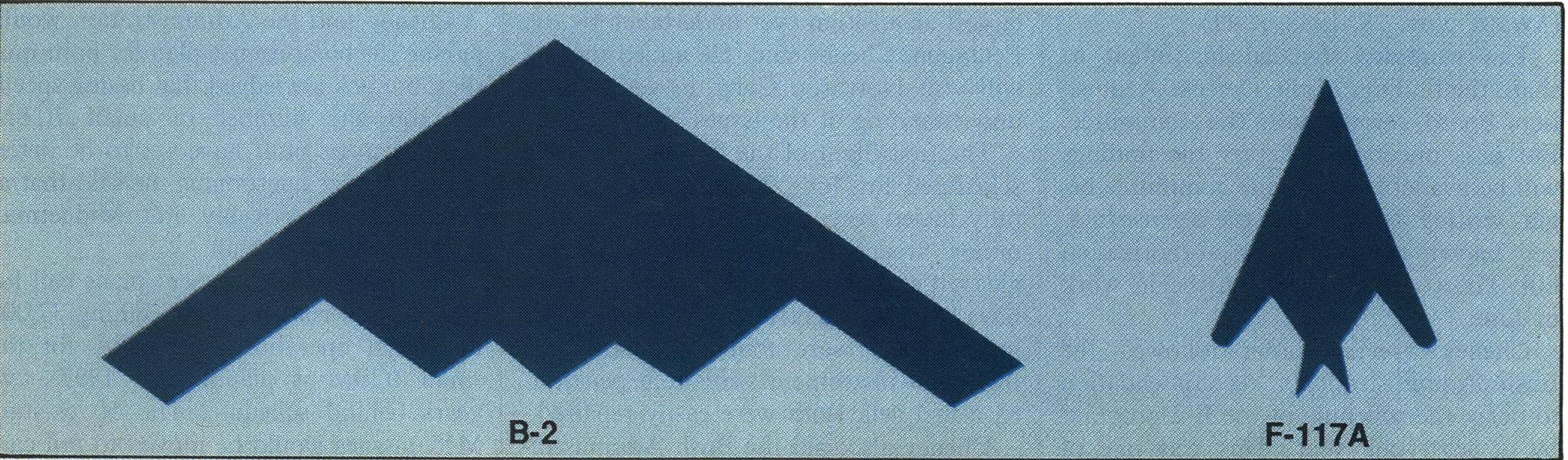
Northrop B-2 and Lockheed F-117A stealth aircraft are compared on the same scale in this drawing. The B-2 wingspan is 172 ft., and the F-117A span is about 40 ft. Both aircraft have sawtooth trailing edges and straight-line leading edges. The F-117A has a separate V-tail.
MAY 1, 1989
P. 27
Northrop B-2 and Lockheed F-117A stealth aircraft are compared on the same scale in this drawing. The B-2 wingspan is 172 ft., and the F-117A span is about 40 ft. Both aircraft have sawtooth trailing edges and straight-line leading edges. The F-117A has a separate V-tail.
 APRIL 9, 1990
P. 36 (4 Pages)
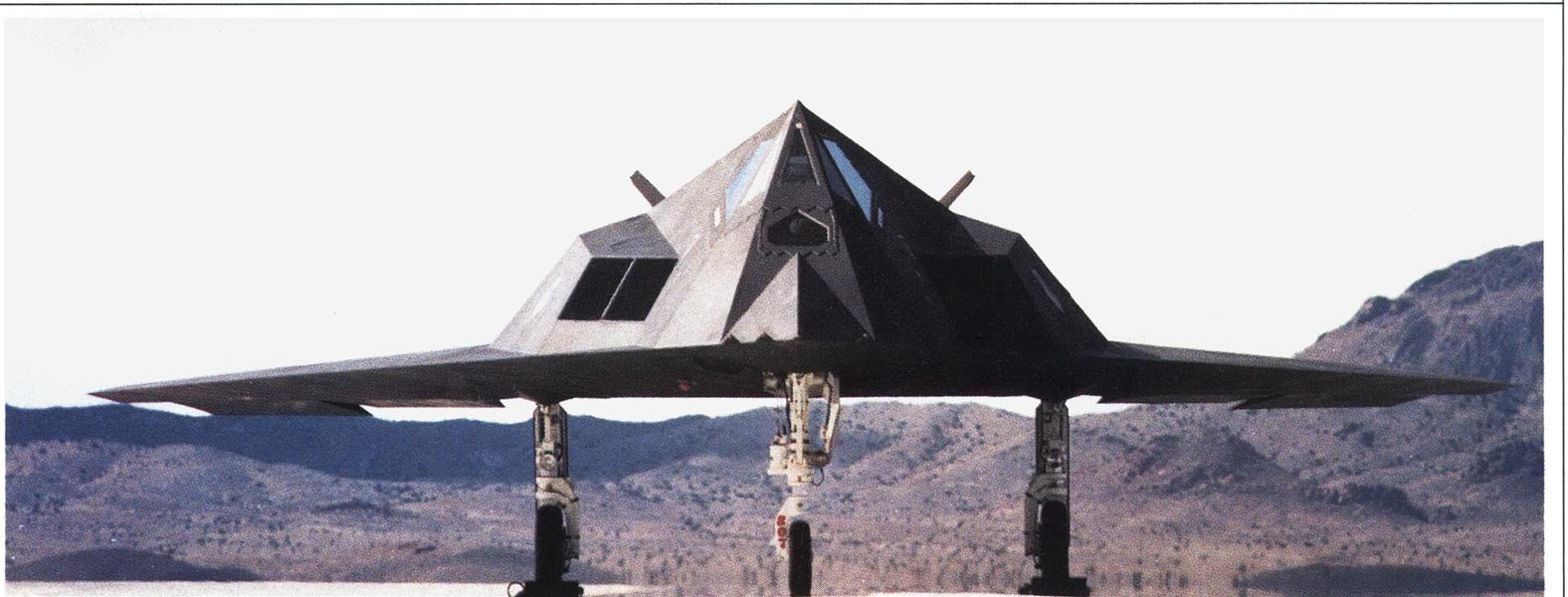
Forward-looking infrared camera is above the nosecone, and downwardlooking IR camera is to the aircraft’s right of the nose gear. Auxiliary engine inlet doors are atop the nacelle, behind the gridded main inlet. Serrated apertures reflect radar energy along specific beams.
APRIL 9, 1990
P. 36 (4 Pages)
Forward-looking infrared camera is above the nosecone, and downwardlooking IR camera is to the aircraft’s right of the nose gear. Auxiliary engine inlet doors are atop the nacelle, behind the gridded main inlet. Serrated apertures reflect radar energy along specific beams.
 APRIL 22, 1991
P. 30
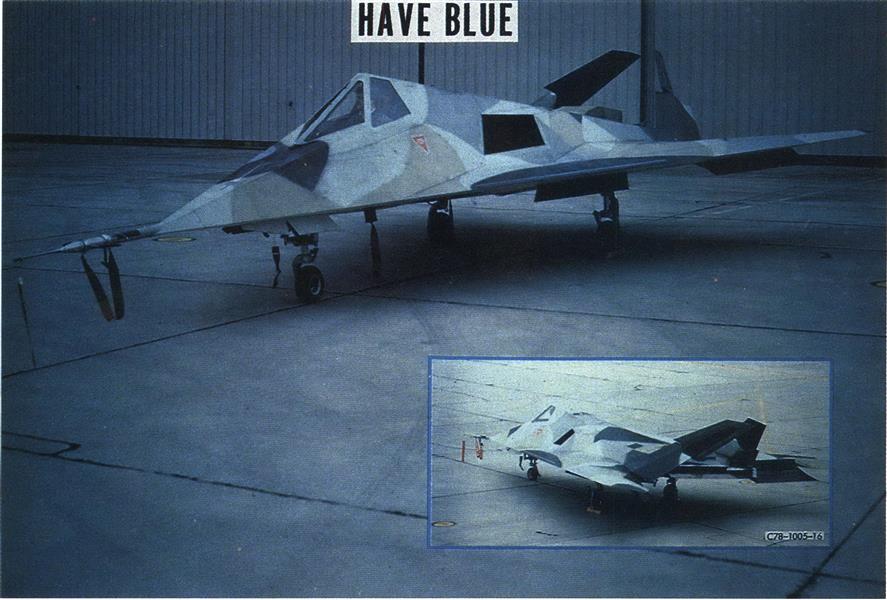
DARPA and the Air Force began a stealth demonstration program in November, 1975, and the Have Blue testbed first flew in December, 1977. The two 12,000-lb. aircraft had 22-ft. wingspans and were 38 ft. long. F-117A full-scale development started the following November.
APRIL 22, 1991
P. 30
DARPA and the Air Force began a stealth demonstration program in November, 1975, and the Have Blue testbed first flew in December, 1977. The two 12,000-lb. aircraft had 22-ft. wingspans and were 38 ft. long. F-117A full-scale development started the following November.
 JULY 3, 1989
P. 24, 25
JULY 3, 1989
P. 24, 25
 APRIL 22, 1991
P. 51, 53
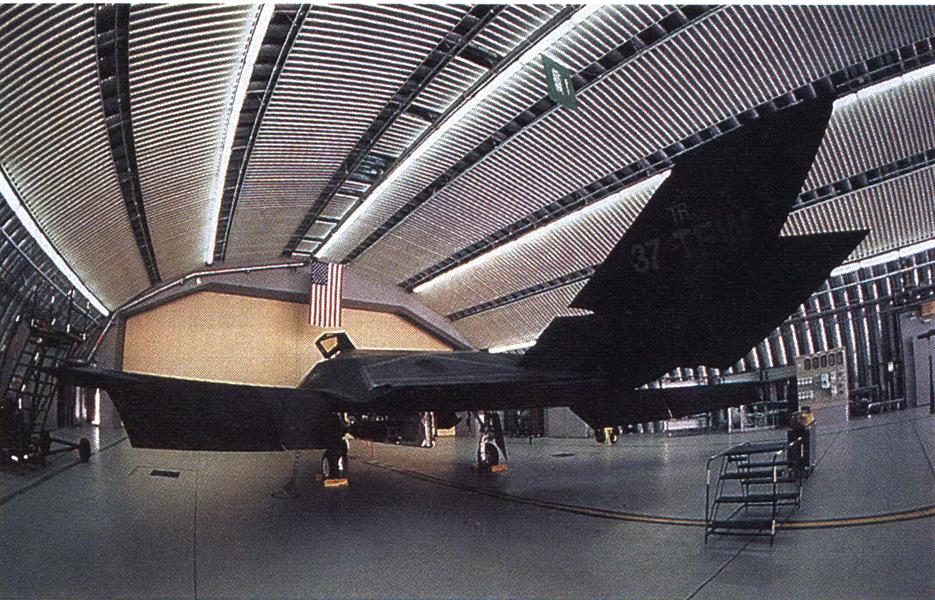
F-117AS operated from enclosed hangars at Khamis Mushait air base. The aircraft’s 185190 kt. takeoff speeds are accommodated by the base’s two 12,000-ft. runways.
APRIL 22, 1991
P. 51, 53
F-117AS operated from enclosed hangars at Khamis Mushait air base. The aircraft’s 185190 kt. takeoff speeds are accommodated by the base’s two 12,000-ft. runways.
 FEBRUARY 15, 1999
P. 64
FEBRUARY 15, 1999
P. 64
 JULY 3, 1989
P. 24, 25
JULY 3, 1989
P. 24, 25
 JULY 3, 1989
P. 24, 25
JULY 3, 1989
P. 24, 25
 SEPTEMBER 3, 1990
P. 41, 42
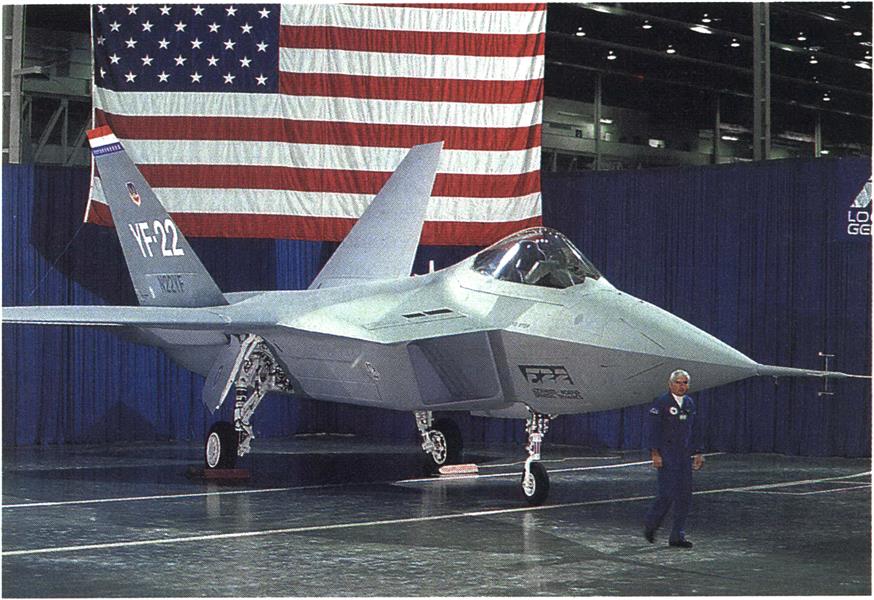
One of three YF-22A missile bays is visible on side of inlet, forward of main landing gear. Dark patches atop inlet are inlet bleed exhausts, and panels in front of them are novel flight controls.
SEPTEMBER 3, 1990
P. 41, 42
One of three YF-22A missile bays is visible on side of inlet, forward of main landing gear. Dark patches atop inlet are inlet bleed exhausts, and panels in front of them are novel flight controls.
 JUNE 17, 1991
P. 214, 215
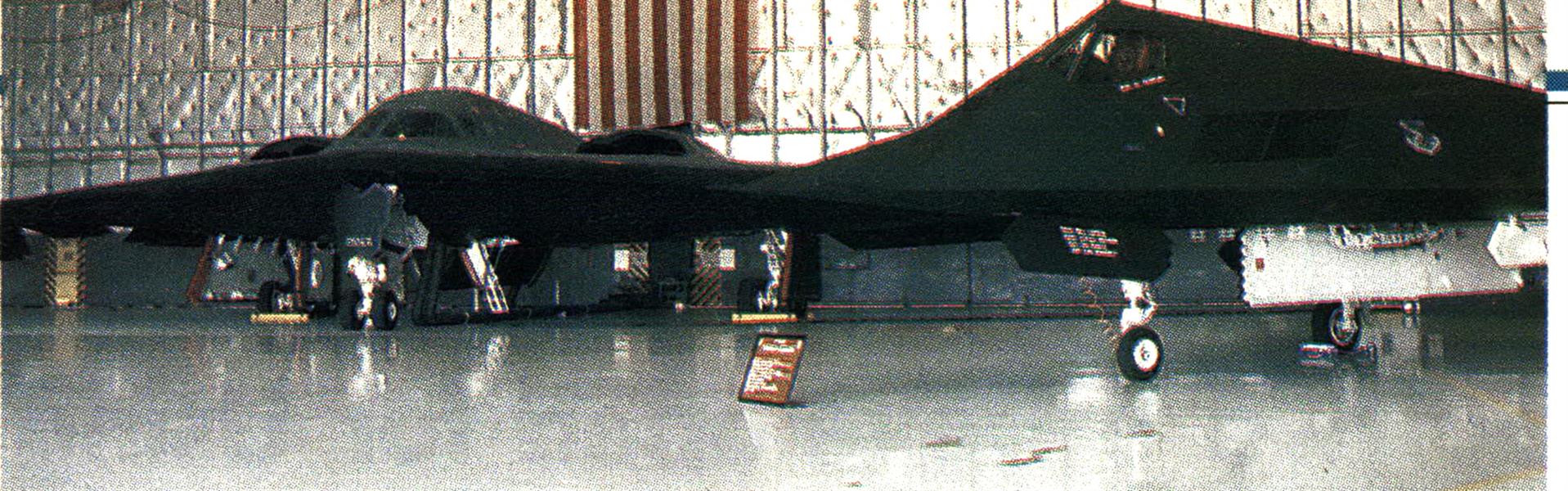
U. S. Air Force has been pushing the successful performance of the Lockheed F-117A stealth aircraft during Operation Desert Storm to bolster its case for continued production of the B-2 bomber.
JUNE 17, 1991
P. 214, 215
U. S. Air Force has been pushing the successful performance of the Lockheed F-117A stealth aircraft during Operation Desert Storm to bolster its case for continued production of the B-2 bomber.